
𝐂𝐞𝐥𝐞𝐛𝐫𝐚𝐭𝐢𝐧𝐠 40 𝐘𝐞𝐚𝐫𝐬 of Harltex
Innovation, Integrity & Impact
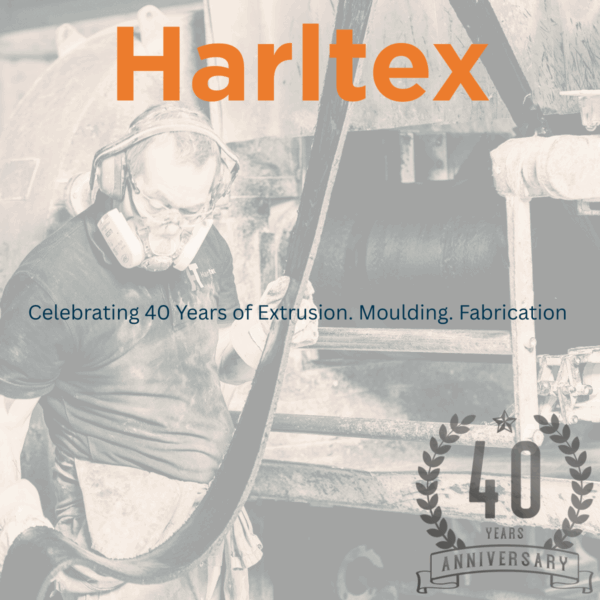
This year marks a major milestone for Harltex Ltd – 𝐂𝐞𝐥𝐞𝐛𝐫𝐚𝐭𝐢𝐧𝐠 40 𝐘𝐞𝐚𝐫𝐬 of business within the industry.
A UK-based specialist in precision-engineered rubber mouldings, extrusions, and bonded products. In addition to evolving within the industry, pushing the boundaries over the years and exploring exactly what’s possible.
From humble beginnings in 1985 to the dynamic, future-focused company we are today. Recognised as a leading manufacturer of rubber solutions for all applications. Serving our customers with providing extrusions, mouldings, bonded products, anti‑vibration systems, safety components, formed hoses, sealing systems, and pipe seals. With the latest edition to our range, of clean EPDM rubber materials officially WRAS (Water Regulations Approval Scheme) certified.
Harltex are proud of our journey and grateful to everyone who has been a part of it. Especially our incredible long standing team, loyal customers, and dedicated partners.
Here’s to four decades of precision, quality, and innovation in advanced rubber manufacturing and the exciting road ahead in the industry!
Look out for further details, insight on the last 40 years and what that looks like so far.
Share this story
The latest news from Harltex
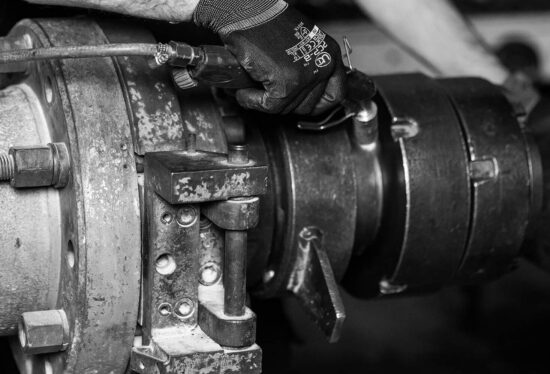
Designing Bespoke Rubber Extrusions
Successful bespoke rubber extrusion projects rely on collaboration between customer and manufacturer from the earliest stages of development. Reviewing profile design, material selection and manufacturing considerations before production helps minimise revisions and supports efficient manufacture.
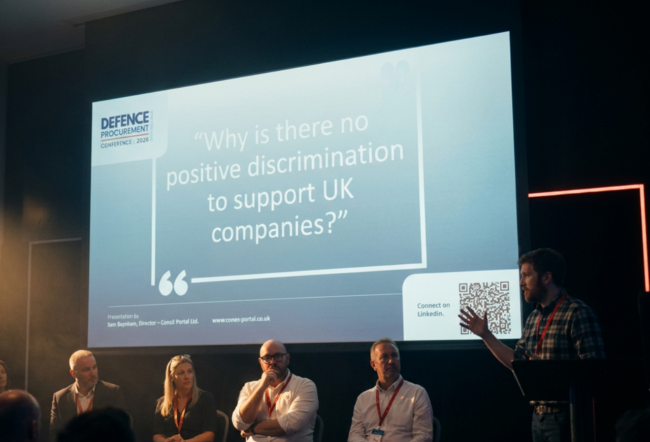
Defence Procurement Conference
Harltex reflects on the Defence Procurement Conference and the growing role of UK SMEs in supporting defence supply chains through specialist sealing, extrusion and moulding expertise.
Extruded Rubber vs Moulded Rubber Components
When designing a rubber component, selecting the correct manufacturing process is one of the earliest and most important engineering decisions. Rubber extrusion and rubber moulding are both widely used across many industrial sectors.