
Which Manufacturing Process Should You Choose?
When designing a rubber component, choosing the correct manufacturing process is one of the earliest and most important engineering decisions.
Manufacturers across rail, marine, automotive, construction, utilities and industrial sectors use both rubber extrusion and rubber moulding extensively. However, each process offers different advantages depending on component geometry, material selection, tolerances and production requirements.
Understanding where each manufacturing method performs best helps engineers improve manufacturability, reduce tooling revisions and achieve more consistent long-term production performance.
At Harltex, we manufacture custom rubber extrusions, precision rubber mouldings and bonded rubber components for a wide range of industrial applications across the UK.
What is Rubber Extrusion?
Rubber extrusion creates profiles with a consistent cross-sectional shape through a continuous manufacturing process.
During production, the extrusion line forces uncured rubber compound through a precision die to form the required profile geometry. The profile then passes through a curing process which stabilises the material and delivers its final physical properties.
As a result, extrusion provides an efficient manufacturing solution for continuous rubber profiles used across multiple industries.
Manufacturers commonly use extrusion to produce:
- Rubber seals
- Gaskets
- Edge trims
- Tubing
- Sponge profiles
- Protective strips
- Glazing seals
- Continuous rubber sections
Because extrusion operates as a continuous process, it suits longer production runs and profile-based components particularly well.
What is Rubber Moulding?
While extrusion suits continuous profiles, rubber moulding produces formed components with more complex three-dimensional geometry.
During moulding, heat and pressure form rubber material within a mould cavity to produce the final component shape
Manufacturers typically use compression moulding, injection moulding and transfer moulding depending on the component design and production requirements.
Consequently, moulding is often selected for applications requiring more detailed geometry or integrated features.
Manufacturers regularly use rubber moulding for:
- Anti-vibration components
- Grommets
- Bellows
- Rubber feet
- Protective covers
- Precision sealing components
- Bonded rubber parts
Compared with extrusion, moulding gives engineers greater flexibility when producing components with detailed features, integrated inserts or varying wall thicknesses.
When Rubber Extrusion is the Better Option
In many applications, extrusion provides the most practical and cost-effective manufacturing method.
Where a component requires a continuous profile along its entire length, extrusion often delivers faster production, lower tooling costs and improved manufacturing efficiency.
Lower Tooling Costs
Extrusion tooling typically uses a simpler design than mould tooling and generally costs less to produce.
This makes extrusion suitable for both prototype development and ongoing production.
Efficient Continuous Production
Because extrusion supports continuous manufacturing, it allows long rubber profiles to be produced with consistent cross-sections.
Manufacturers commonly use extrusion for:
- Door seals
- Window gaskets
- Enclosure seals
- Marine hatch seals
- Electrical protection profiles
- HVAC sealing systems
Faster Tooling Lead Times
Compared with complex mould tooling, extrusion dies often require less development time, helping accelerate project timelines.
Flexible Supply Formats
Depending on the application, manufacturers can supply extruded rubber products in coils, cut lengths or fabricated assemblies.
When Rubber Moulding is the Better Option
However, extrusion cannot achieve every component geometry.
Where a component requires more detailed or three-dimensional features, moulding often becomes the preferred manufacturing method.
This typically applies to components requiring:
- Complex three-dimensional shapes
- Variable wall thicknesses
- Integrated fixing features
- Metal inserts
- Detailed surface finishes
- Multi-axis dimensional control
Greater Design Flexibility
Compared with extrusion, rubber moulding supports more complex geometries and formed component designs.
As a result, engineers often specify moulding for components that require tighter geometric control or integrated features.
Improved Dimensional Control
Moulding also provides improved repeatability where components require dimensional consistency across multiple surfaces.
Suitable for Integrated Features
In addition, moulded rubber components can incorporate:
- Threads
- Inserts
- Logos
- Surface textures
- Bonded materials
Typical moulded applications include rail mounting systems, anti-vibration mounts, industrial buffers, electrical protection covers, pump diaphragms and automotive sealing components.
Where Bonded Rubber Components Fit
In some applications, manufacturers must permanently bond rubber to metal or other substrates.
Industries commonly use bonded rubber components where vibration control, sealing performance or load absorption must work alongside structural support.
For example, rail systems, industrial machinery, automotive assemblies, marine applications and construction equipment all regularly use rubber-to-metal bonded components.
Depending on the geometry, material selection and operating environment, manufacturers may produce bonded components through extrusion, moulding or a combination of both processes.
Manufacturing Constraints That Influence Component Design
Component design plays a major role in long-term manufacturability and production consistency.
While some geometries may appear suitable during the early design stage, certain features can create production challenges during extrusion or moulding.
For rubber extrusions, factors such as unsupported profile sections, wall thickness variation, die swell and material shrinkage can all influence dimensional stability during production.
Material selection also plays a major role in extrusion stability and tolerance control, particularly across EPDM, FKM and HNBR compounds.
For moulded components, complex geometry, material flow behaviour and flash generation can increase tooling complexity and affect repeatability.
Considering these manufacturing constraints early in the design process helps reduce tooling revisions, improve production efficiency and support more consistent component performance.
Choosing the Right Manufacturing Method
Ultimately, the most suitable manufacturing process depends on component geometry, material selection, operating environment and production requirements.
Considering manufacturability early in the design stage helps reduce tooling revisions, improve production consistency and support long-term component performance.
Working with an experienced rubber extrusion and moulding manufacturer also helps identify potential production challenges before tooling development begins.
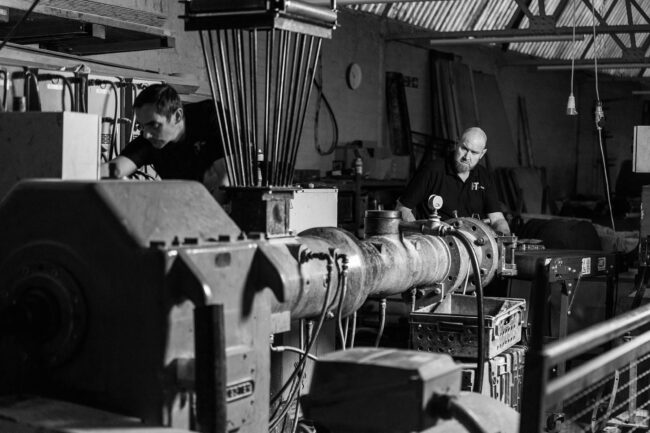
Why Choose Harltex for Rubber Extrusion or Moulding?
Harltex manufactures custom rubber extrusions, precision rubber mouldings and bonded rubber components for a wide range of industrial applications across the UK.
We work with materials including EPDM, silicone, FKM and HNBR to support applications requiring sealing performance, environmental resistance and long-term durability.
Our manufacturing capabilities support both prototype development and ongoing production, with consideration given to manufacturability, tolerances and application requirements from the early stages of a project.
For more information about our products, contact the experts at Harltex today. Let us bring precision and high-performance to your next project.
Share this story
The latest news from Harltex
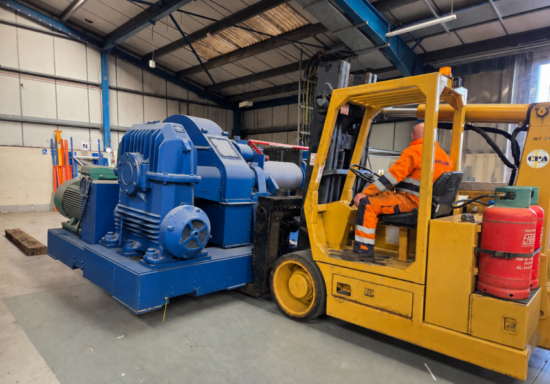
Harltex Expands Manufacturing with New Mill
Harltex has taken delivery of a rubber mixing mill to expand its in-house milling capability and support the preparation and processing of compounds for rubber moulding and extrusion.
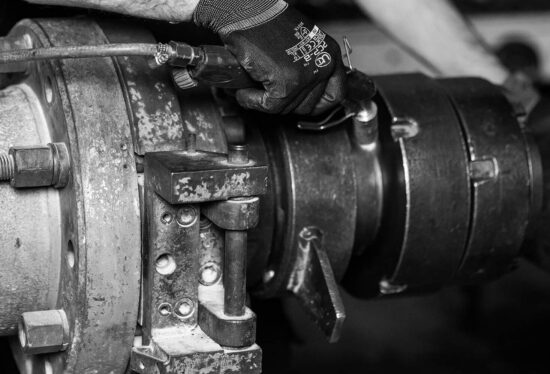
Designing Bespoke Rubber Extrusions
Successful bespoke rubber extrusion projects rely on collaboration between customer and manufacturer from the earliest stages of development. Reviewing profile design, material selection and manufacturing considerations before production helps minimise revisions and supports efficient manufacture.

Defence Procurement Conference
Harltex reflects on the Defence Procurement Conference and the growing role of UK SMEs in supporting defence supply chains through specialist sealing, extrusion and moulding expertise.