
Designing Bespoke Rubber Extrusions for Manufacture
Key Considerations for Engineers
Specifying a bespoke rubber extrusion involves more than creating a profile that meets the functional requirements of an application. The profile must also be capable of being manufactured consistently and to the required quality standard.
Some projects begin with a detailed CAD model, while others start with an existing component, hand sketch or obsolete profile requiring replacement. Regardless of the starting point, early consideration of manufacturing requirements helps reduce revisions later in the project.
With more than 40 years of manufacturing experience, Harltex produces custom rubber extrusions for customers across sectors including rail, marine, construction, industrial engineering, utilities and automotive. Supported by in-house rubber compounding, hot and cold feed extrusion technology and ISO 9001:2015 certified manufacturing, the company works with customers to develop extrusion profiles that are suitable for both the application and the manufacturing process.
Profile design influences manufacturing
Every rubber extrusion profile starts with a cross-section. Although the profile defines how the finished component will function, it also determines how the rubber flows through the extrusion die during manufacture.
Features such as wall thickness, hollow sections, sealing lips and retention details influence both product performance and manufacturability. Reviewing these features before tooling manufacture helps achieve more consistent production and reduces the likelihood of unnecessary design revisions.
Early design reviews help confirm that the profile is suitable for manufacture before tooling is produced.
Material selection affects more than performance
The choice of rubber compound determines how the finished extrusion performs in service. Different elastomers also behave differently during the extrusion process. Material selection should always reflect the application’s operating environment rather than relying on a preferred compound or previous design.
Application requirements such as operating temperature, weather exposure, oils, fuels, chemicals and potable water approval all influence material selection. Mechanical properties including flexibility, hardness and compression characteristics also require consideration.
Harltex manufactures rubber extrusions in a wide range of in-house compounds, including EPDM, WRAS approved EPDM, NBR, HNBR, FKM, AEM, ECO and Natural Rubber. Selecting the appropriate compound ensures the finished extrusion meets the environmental and mechanical demands of its intended application.
Tolerances should reflect the application
Every manufactured component is produced within specified tolerances. However, achievable tolerances depend on several factors, including the rubber compound, profile geometry and extrusion process.
Where functional performance depends on critical dimensions, these requirements should be clearly identified during the design stage. Conversely, specifying unnecessarily tight tolerances can increase manufacturing complexity without providing additional benefit to the application.
Early discussion between the customer and manufacturer helps establish practical tolerance requirements that support both product performance and consistent production.
Tooling forms the foundation of every rubber extrusion
Unlike standard catalogue profiles, bespoke rubber extrusions require tooling designed specifically for the profile.
Harltex manufactures from customer CAD drawings, technical specifications and existing samples, supporting both new product development and the replacement of obsolete or unavailable rubber profiles. Reviewing the profile before tooling manufacture allows practical manufacturing considerations to be addressed before production begins.
Many projects begin with a detailed CAD drawing, while others start with an existing sample that requires reverse engineering to reproduce the original profile. Regardless of the starting point, early collaboration helps ensure the design is suitable for manufacture before tooling is produced.
Once the tooling has been approved, it provides the basis for consistent manufacture throughout the life of the product.
Manufacturing capability matters
Extrusion equipment should match the size and complexity of the profile being produced.
Harltex operates both hot and cold feed extrusion lines with extruder sizes ranging from 60 mm to 200 mm. Combined with in-house rubber compounding and ISO 9001:2015 certified manufacturing, this capability supports the production of a wide variety of rubber extrusion profiles.
Working with a manufacturer that offers both material and manufacturing expertise helps align profile design with production capability from the earliest stages of development.
Supporting a wide range of applications
Custom rubber profiles are used wherever standard profiles cannot provide the required fit or function.
Typical applications include:
- Door seals
- Enclosure seals
- Edge protection
- Glazing systems
- Cable protection
- Vibration isolation
- Weather seals
- Specialist industrial sealing profiles
Across each application, the objective remains the same: produce a profile that meets the operational requirements while remaining suitable for consistent manufacture.
Because every project differs, no single profile or material suits every application. Instead, successful bespoke rubber extrusions result from combining the correct compound, an appropriate profile design and a manufacturing process capable of producing consistent results.
Why Choose Harltex for rubber extrusion projects?
Successful rubber extrusion projects rely on collaboration between customer and manufacturer from the earliest stages of development. Reviewing profile design, material selection and manufacturing considerations before production helps minimise revisions and supports efficient manufacture.
With more than four decades of experience, in-house compounding, hot and cold feed extrusion technology and expertise across a broad range of elastomer materials, Harltex supports customers from initial enquiry through to full production, manufacturing bespoke extrusion profiles tailored to individual application requirements.
If you’re developing a new product or replacing an existing rubber profile, contact Harltex to discuss your application and manufacturing requirements.
Share this story
The latest news from Harltex
Harltex Expands Manufacturing with New Mill
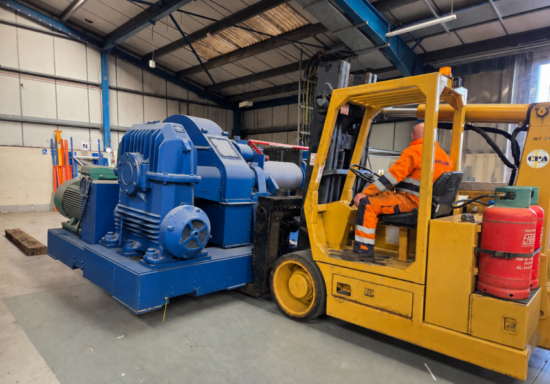
Harltex has taken delivery of a rubber mixing mill to expand its in-house milling capability and support the preparation and processing of compounds for rubber moulding and extrusion.
Designing Bespoke Rubber Extrusions
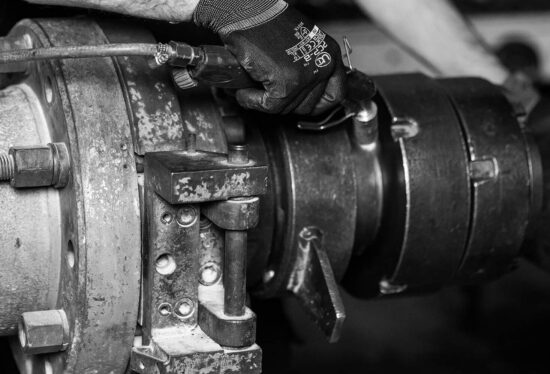
Successful bespoke rubber extrusion projects rely on collaboration between customer and manufacturer from the earliest stages of development. Reviewing profile design, material selection and manufacturing considerations before production helps minimise revisions and supports efficient manufacture.
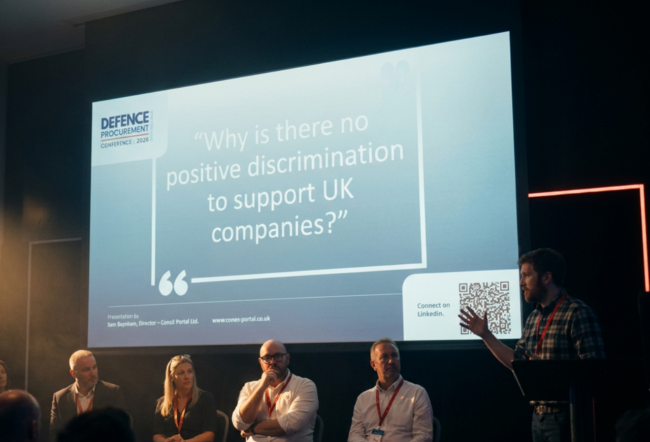
Defence Procurement Conference
Harltex reflects on the Defence Procurement Conference and the growing role of UK SMEs in supporting defence supply chains through specialist sealing, extrusion and moulding expertise.