
How anti-vibration mounts help isolate machinery vibration

How vibration travels through machinery mountings
When machinery vibrates, the movement can pass through its mounting points into the supporting frame or floor. Where that contributes to workplace noise, the Health and Safety Executive (HSE) identifies anti-vibration mounts as one way to isolate machinery from its surroundings and help control noise at source.
The HSE’s workplace noise and vibration campaign asks employers to assess exposure, put effective controls in place and protect workers from remaining risks. Machinery isolation fits within the control step where transmitted vibration contributes to the problem. Where a mount forms part of an exposure control, its effectiveness should be checked with the equipment in use.
What to consider when specifying a mount
Rubber-to-metal bonding combines rubber and metal in a single moulded component. The rubber allows the mount to flex, while the metal can provide reinforcement or a fixing point. The component design and rubber compound depend on the load it carries, the movement it needs to accommodate and the conditions it will operate in.
Those requirements vary by application. A suspension mount may need to isolate vibration while controlling movement in machinery or equipment. A transformer mount may be specified to limit the transmission of vibration and associated noise into the supporting structure. Harltex manufactures both types of component.
Bespoke anti-vibration components from Harltex
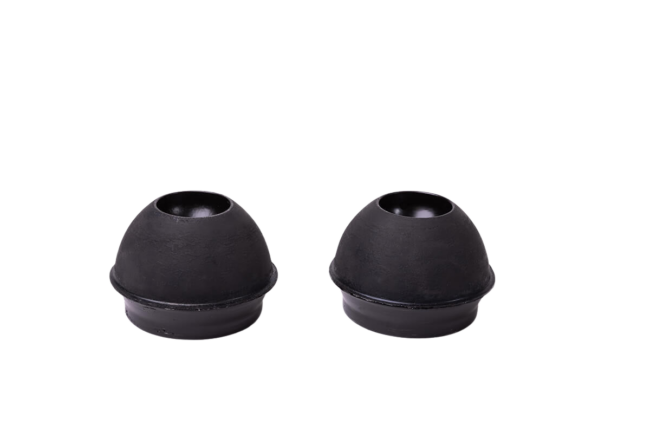
Harltex manufactures rubber-to-metal bonded components for vibration isolation and shock absorption in machinery, equipment and vehicles. Components can be made to customer drawings, samples or application requirements. If you’re specifying a new mount or replacing an existing component, share the drawing or sample along with the load, movement and operating conditions so the team can review the manufacturing requirements.
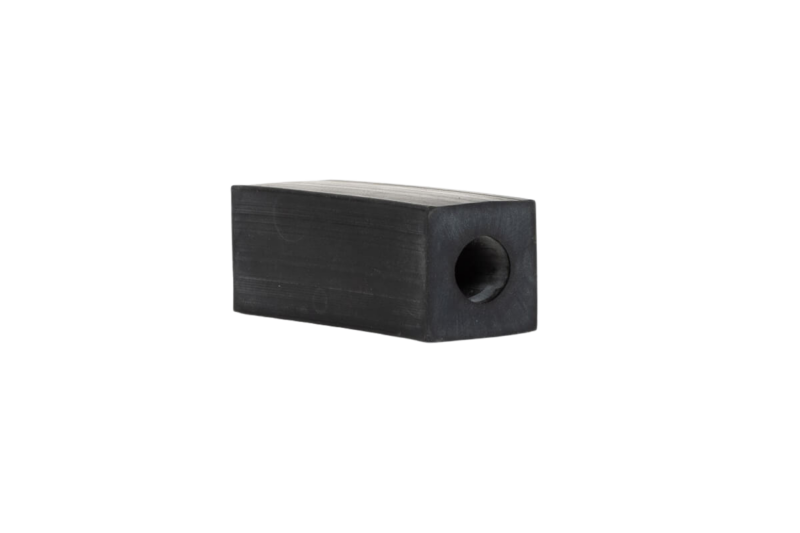
If you’re specifying or replacing an anti-vibration mount, contact Harltex to discuss your application.
Share this story
The latest news from Harltex
How anti-vibration mounts help isolate machinery vibration
See how anti-vibration mounts help isolate machinery vibration, what to consider when specifying a mount and how Harltex manufactures bespoke components.
Harltex Expands Manufacturing with New Mill
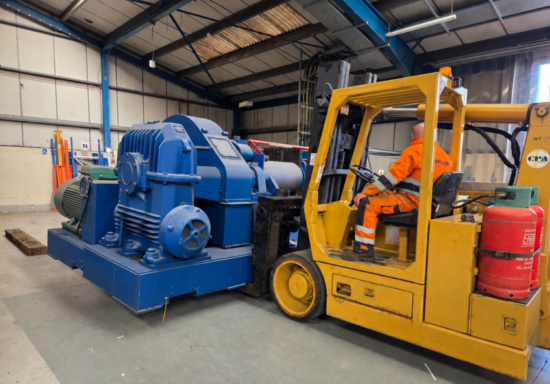
Harltex has taken delivery of a rubber mixing mill to expand its in-house milling capability and support the preparation and processing of compounds for rubber moulding and extrusion.
Designing Bespoke Rubber Extrusions
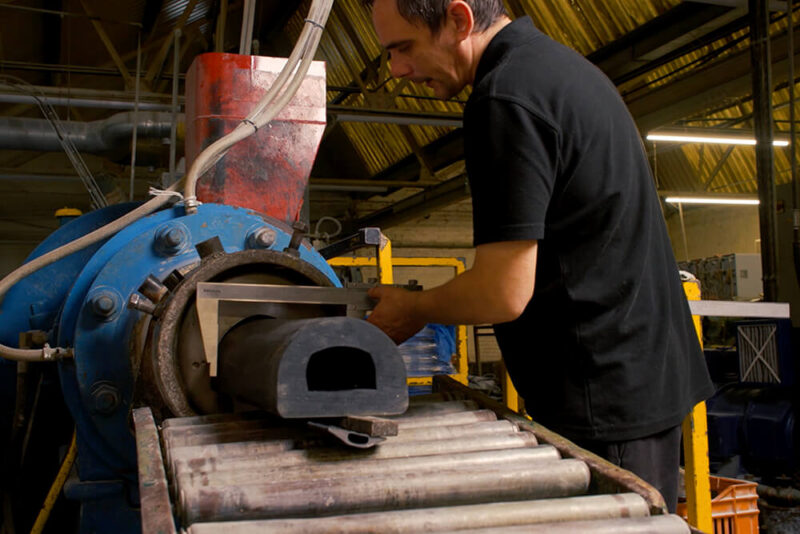
Successful bespoke rubber extrusion projects rely on collaboration between customer and manufacturer from the earliest stages of development. Reviewing profile design, material selection and manufacturing considerations before production helps minimise revisions and supports efficient manufacture.