

How Material Selection Impacts Rubber Extrusion Tolerances
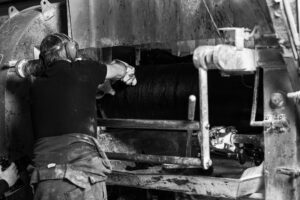
In precision rubber extrusion, maintaining tight rubber extrusion tolerances depends heavily on material selection. Rubber extrusion tolerances refer to the allowable dimensional variation in an extruded rubber profile during manufacture.
Material choice directly influences dimensional tolerances, surface finish, cure stability and long-term sealing performance.
Compound viscosity, cure characteristics, filler content and compression set behaviour determine whether an extruded profile holds tolerance during production and performs reliably in service.
Material Behaviour and Extrusion Tolerances
Extrusion performance is shaped by how an elastomer behaves under heat and pressure. Viscosity, polymer structure and filler loading influence how a profile forms, stabilises and cools.
Higher viscosity compounds may increase die swell and require tighter process control. Lower viscosity grades can improve surface finish but may reduce structural rigidity in thin sections.
Selecting the correct compound improves dimensional repeatability, reduces distortion and supports consistent rubber extrusion tolerances.
Cure Characteristics and Long-Term Stability
During vulcanisation, material behaviour affects:
• Profile distortion
• Shrinkage rates
• Internal stress development
• Production repeatability
A compound that cures too quickly can distort the profile. A slow-curing material may affect production efficiency. Aligning cure characteristics with process capability ensures predictable extrusion performance.
Compression set resistance determines how well a seal maintains force and resists permanent deformation. In temperature-cycling or dynamic environments, incorrect material choice can lead to leakage or premature failure.
Designing Extruded Profiles for Manufacturability
When designing extruded rubber profiles, engineers should consider:
• Minimum wall thickness
• Shore A hardness
• Environmental exposure
• Required dimensional tolerances
Material selection and profile design must work together to ensure manufacturability, tolerance control and long-term reliability.
Rubber Extrusion Expertise at Harltex
Consistent extrusion performance depends on selecting compounds that support stable processing, controlled shrinkage and repeatable curing behaviour.
For a broader comparison of elastomers used in extrusion, moulding and bonded assemblies, explore our full material selection guide for precision rubber components.
(Internal link to: /rubber-products/material-selection-for-rubber-components/)
For more information about our products, contact the experts at Harltex today. Let us bring precision and high-performance to your next project.
Share this story
The latest news from Harltex
Harltex Expands Manufacturing with New Mill
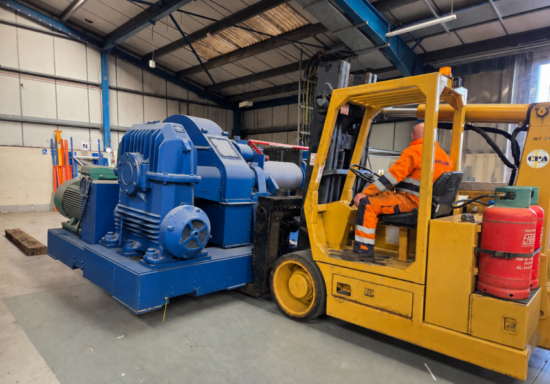
Harltex has taken delivery of a rubber mixing mill to expand its in-house milling capability and support the preparation and processing of compounds for rubber moulding and extrusion.
Designing Bespoke Rubber Extrusions
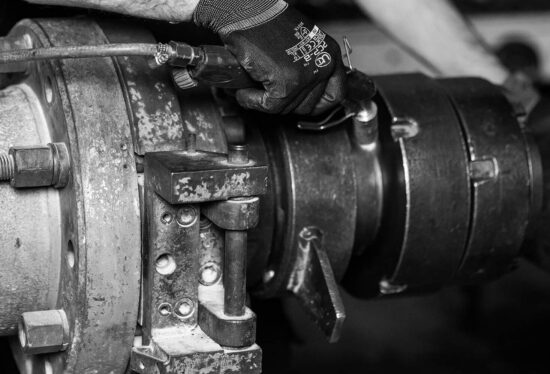
Successful bespoke rubber extrusion projects rely on collaboration between customer and manufacturer from the earliest stages of development. Reviewing profile design, material selection and manufacturing considerations before production helps minimise revisions and supports efficient manufacture.

Defence Procurement Conference
Harltex reflects on the Defence Procurement Conference and the growing role of UK SMEs in supporting defence supply chains through specialist sealing, extrusion and moulding expertise.